Category: Search Engine Optimization

  • SEO for Service Businesses in Hyderabad: From Website Visits to Real Enquiries

    SEO for Service Businesses in Hyderabad: From Website Visits to Real Enquiries

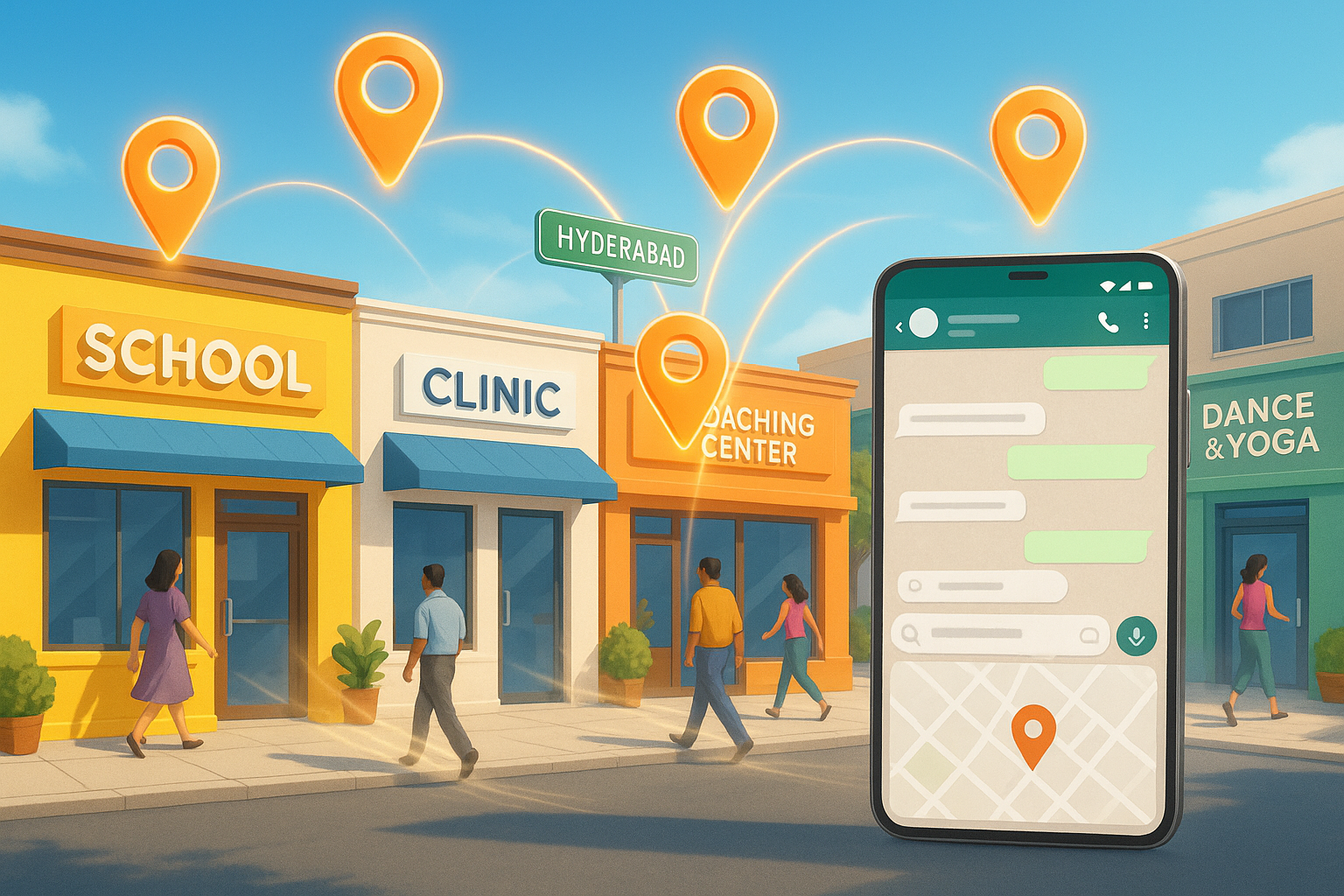
    If you run a service-based business in Hyderabad, whether it’s a clinic, coaching center, interior design studio, consultancy, or repair service, you’ve probably faced this problem:

    “People are visiting my website… but I’m not getting enough calls or enquiries.”

    That’s exactly where a focused SEO strategy for service based business in Hyderabad comes in. It’s not just about ranking on Google; it’s about turning that visibility into real leads, WhatsApp messages, and booked appointments.

    In this blog, let’s break down how to move from traffic to enquiries,  and how Hezemon Technologies can support you as your digital marketing company in Hyderabad for lead generation.

    Digital Marketing Services

    1. Why SEO Matters More for Service Businesses Than E-Commerce

    E-commerce brands can survive on impulse buys. Service businesses can’t.

    Your ideal customer usually:

    • Searches on Google (often with “near me” or “Hyderabad”),
    • Compares 2–3 websites,
    • Checks reviews and service details,
    • Then decides whom to call or WhatsApp.

    If you don’t appear in those top results, or if your website doesn’t build trust quickly,  they simply pick your competitor.

    SEO for service businesses is about:

    • Being discovered when intent is high (e.g., “AC repair in Madhapur”, “music classes in Kondapur”),
    • Answering key questions before the first call,
    • Guiding visitors towards filling a form, calling, or messaging you.
    1. Start with Local SEO: Make Google Your Best Salesperson

    For Hyderabad service brands, local SEO is non-negotiable. If someone searches on their phone, Google often shows the map pack before normal website links. You want to be there.

    Key steps:

               a) Optimize Your Google Business Profile
    • Add consistent business name, address, phone (NAP).
    • Choose correct categories (e.g., “Digital Marketing Agency”, “Dental Clinic”, “Interior Designer”).
    • Add high-quality photos of your office, team, and work.
    • Write a clear description using phrases like “service based business in Hyderabad” and what you specialise in.
    • Collect and respond to reviews regularly.
               b) Local Keywords on Your Website

    Don’t just say “best digital marketing agency” or “leading coaching center”. Use city and area based phrases across your site, such as:

    • “digital marketing services in Hyderabad for service businesses”
    • “coaching center in Kukatpally”
    • “consulting firm in Gachibowli”

    This is one of the simplest ways to get more website enquiries with SEO, because you’re aligning your content with how people actually search.

    1. Turn Your Website into an Enquiry Machine

    SEO brings the right people to your website. Conversion focused design turns them into leads.

    Ask yourself:

    • Is it obvious what I want visitors to do in the first 5 seconds?
    • Can they see a phone number / WhatsApp button without scrolling?
    • Is there a simple form for enquiries on every key page?

    Some must haves for a service business website:

    1. Clear Hero Section
    • One strong headline showing who you serve (e.g., “Performance-Driven Digital Marketing for Service Businesses in Hyderabad”).
    • Subheading that mentions outcomes (leads, bookings, appointments).
    • Primary CTA: “Book a Free Consultation”, “Request a Quote”, or “Call Now”.
    1. Trust Elements Above the Fold
    • Client logos
    • Star ratings (“Rated 4.8/5 by Hyderabad-based clients”)
    • Short proof bullets (“3X more enquiries in 90 days”, etc.)
    1. Service-Specific Landing Pages

    Instead of one generic “Services” page, create separate, SEO-optimized pages:

    • “SEO Services for Clinics in Hyderabad”
    • “Lead Generation for Coaching Centers in Hyderabad”
    • “Digital Marketing for Consultants in Hyderabad”

    These pages give Google more clarity and help you rank for long-tail, high-intent searches.

    1. Content That Answers Before They Ask

    Google rewards websites that solve real user problems. Your future customers are typing questions like:

    • “How much does interior design cost in Hyderabad?”
    • “Which is better: Google Ads or SEO for local business?”
    • “How long does it take to see SEO results?”

    By answering these through blogs, FAQs, and guides, you:

    • Build trust,
    • Stay longer in the buyer’s consideration set,
    • And naturally drive more website enquiries with SEO.

    Some content ideas Hezemon Technologies often recommends to service businesses:

    • “How to Choose the Right [Service] Provider in Hyderabad”
    • “Cost Breakdown: What [Service] Really Costs in Hyderabad”
    • “5 Mistakes Hyderabad Businesses Make with Digital Marketing”

    Each piece can internally link back to your main service pages and enquiry forms, nudging the reader closer to taking action.

    digital strategies

    1. Track, Improve, and Repeat: The Analytics Layer

    SEO isn’t “set and forget”. To become the go-to digital marketing company in Hyderabad for lead generation, we constantly monitor:

    • Which pages are getting traffic?
    • Which keywords bring visitors?
    • Which pages actually generate form fills, calls, and WhatsApp enquiries?

    For your business, that means:

    • Setting up Google Analytics and Google Search Console.
    • Tracking events: button clicks, form submissions, WhatsApp clicks.
    • Identifying pages with high traffic but low conversion, and then improving:
    • Headlines
    • CTAs
    • Social proof
    • Page speed & mobile experience

    The goal isn’t just “more visitors”. It’s better visitors who actually enquire.

    1. How Hezemon Technologies Fits In

    Hezemon Technologies is a digital marketing company in Hyderabad for lead generation that understands the realities of local service businesses:

    • Limited time to chase unqualified leads
    • Need for predictable monthly enquiries
    • Hyper-competitive local categories (schools, clinics, coaching centers, real estate, training institutes)

    Our approach combines:

    • A custom SEO strategy for service based business in Hyderabad
    • Local SEO + on-page optimization
    • Conversion-focused website design
    • Email and WhatsApp nurturing for leads who aren’t ready today but may convert in 30–60 days

    Final Thought

    SEO isn’t just a visibility game anymore. For Hyderabad service businesses, it’s a lead engine.

    If you’re serious about turning your website into a consistent source of real enquiries, now is the best time to align your SEO, content, and conversion strategy.

    And if you’d like a partner who thinks beyond “rankings” and focuses on pipeline, Hezemon Technologies is here to help.

  • From Leads to Revenue: How Hyderabad B2B Companies Should Really Measure Lead Quality in 2025

    From Leads to Revenue: How Hyderabad B2B Companies Should Really Measure Lead Quality in 2025

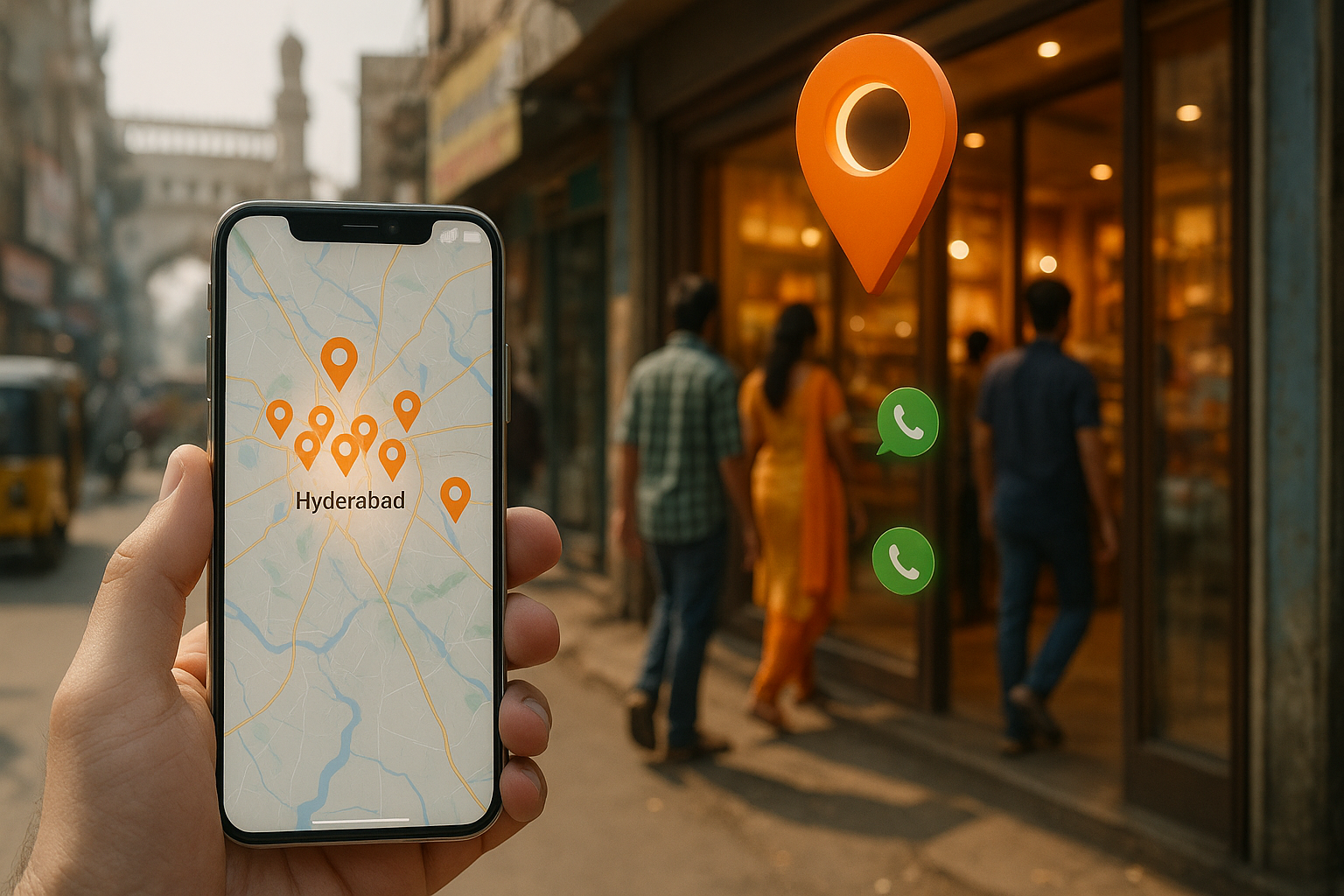
    If you run a school, clinic, studio, salon, or café in Hyderabad, your next customer is probably already searching “best ___ near me” on their phone. The question is: do they see you—or your competitor?

    This is where a strong “near me” marketing strategy for local business and focused local SEO services in Hyderabad come in. In this playbook, we’ll walk through exactly how to turn those searches into daily walk-ins and WhatsApp enquiries, step by step.

    Why ‘Near Me’ Searches Are Your Best Lead Source

    “Near me” searches are not just traffic; they’re high intent. People searching:

    • “digital marketing agency near me”
    • “best dance class near me”
    • “eye hospital near me”

    …are ready to visit, call, or chat.

    To win these leads, you need three things working together:

    1. A strong Google Business Profile
    2. A clear near me marketing strategy for local business
    3. Ongoing local SEO services in Hyderabad to stay ahead of competitors

    Hezemon Technologies helps Hyderabad brands stitch these pieces into one consistent growth system. Here’s the playbook we use.

    Grow Business

    Step 1: Fix Your Google Business Profile Foundations

    Your Google Business Profile (GBP) is your real “homepage” for local buyers. Before talking about content or ads, you need google business profile optimization hyderabad style – clean, complete, and accurate.

    Make sure:

    • Business name matches your board/signage
    • Category is precise (e.g., “Pediatric clinic” vs just “Hospital”)
    • Address & map pin are correct and easy to navigate
    • Phone number is clickable and working
    • Website & WhatsApp link are added
    • Business hours include special hours (holidays, festivals)

    Most businesses in Hyderabad partially fill this and stop. With proper google business profile optimization hyderabad brands see more calls, more requests for directions, and better “near me” visibility.

    Step 2: Use Hyderabad-Focused Keywords Everywhere

    Google must clearly understand where you serve and who you serve.

    Sprinkle city-specific phrases in:

    • Business description
    • Website homepage
    • Services pages
    • Blog content

    Examples:

    • “We provide **local SEO services in Hyderabad** for schools, clinics, and coaching centres.”
    • “A complete near me marketing strategy for local business owners in areas like Gachibowli, Kondapur, and Kukatpally.”

    This helps your profile and website show up for:

    • “local seo services in hyderabad”
    • “digital marketing agency in madhapur”
    • “clinic near me gachibowli”

    At Hezemon, we map your priority locations (Hitech City, Gachibowli, LB Nagar, etc.) and align content around them.

    Step 3: Turn Your Profile into a Mini-Landing Page

    Don’t treat GBP as a form to fill; treat it as a sales page.

    Optimise it like this:

    • Photos: Real storefront, interiors, staff, before/after images
    • Services: Clearly list what you do with short descriptions
    • Products: Add packages like “Full body checkup – ₹X” or “Summer camp – 15 days”
    • Posts: Weekly offers, events, updates, and FAQs

    This is how local SEO services in Hyderabad convert cold searchers into warm visitors. When someone finds you via a “near me” query and sees rich photos, packages, and posts, your chances of getting that walk-in shoot up.

    Step 4: Make Reviews Your Always-On Marketing Engine

    For local search, reviews are your reputation score.

    Ask every happy customer to leave a review that mentions:

    • Service type (e.g., “root canal treatment”)
    • Location (e.g., “in Madhapur, Hyderabad”)
    • Experience (e.g., “quick service, staff is friendly”)

    Example prompt you can send on WhatsApp:

    “Hi [Name], glad you liked our service
    Could you please drop a quick Google review mentioning ‘[service] in [area], Hyderabad’? It really helps more people discover us.”

    More recent, detailed reviews → better rankings → more walk-ins.

    Hezemon often includes review-generation as part of our near me marketing strategy for local business that want to dominate their category.

    Step 5: Plug WhatsApp Directly into Your Local SEO

    Today, most Hyderabad customers prefer chatting instead of calling.

    To turn views into chats:

    • Add your WhatsApp link to your Google Business Profile
    • Use Click-to-WhatsApp buttons on your website
    • Add a short automated welcome message
    • Prepare quick reply templates for FAQs (pricing, timings, location, availability)

    Now your google business profile optimization hyderabad doesn’t just bring you visibility—it brings you daily WhatsApp enquiries from organic search.

    For many of our clients, “Search → WhatsApp chat → Booking” has become the main revenue funnel.

    Step 6: Track What’s Working and Optimise Monthly

    Local SEO is not a one-time checklist. To keep winning “near me” traffic, you need monthly optimisation:

    digital strategies

    • Track calls, direction requests, website visits inside GBP
    • See which posts and photos get more views
    • Identify days/times with most searches
    • Review top keywords that are triggering your profile

    This is where partnering with an agency that specialises in local SEO services in Hyderabadreally pays off. At Hezemon, we don’t just “rank keywords”; we treat your GBP and website as a local demand engine and tune it every month.

    Ready to Turn ‘Near Me’ Searches into Walk-Ins?

    If you’re a Hyderabad-based school, clinic, coaching centre, studio, salon, or local brand, you can’t afford to ignore:

    • A sharp near me marketing strategy for local business
    • Serious google business profile optimization hyderabad style
    • Ongoing local SEO services in Hyderabad tuned to real-world walk-ins and WhatsApp leads

    Hezemon Technologies helps you connect all these dots—so that when someone nearby searches “best [your service] near me”, it’s your board they see next, not your competitor’s.

    Want a quick audit of your Google Business Profile and local SEO?
    You can start with a simple local visibility audit and we’ll show you exactly what to fix in the next 30 days.

  • Local-First SEO: Turning ‘Near Me’ Searches into Walk-Ins and WhatsApp Leads

    Local-First SEO: Turning ‘Near Me’ Searches into Walk-Ins and WhatsApp Leads

    A Hezemon Technologies guide for local brands in Hyderabad

    If you run a school, clinic, coaching center, gym, studio, or training institute in Hyderabad, your next customer is probably typing something like this right now:

    • “best dance class near me”
    • “kids coding classes in hyderabad”
    • “physiotherapy clinic near me”

    The brands that win these  “near me” searches don’t just have a website. They have a local-first SEO strategy that connects Google searches → profile views → calls, walk-ins, and WhatsApp leads.

    This is exactly what Hezemon focuses on with local SEO services Hyderabad for small business owners who want predictable local visibility, not just random clicks.

    Grow Business

    Why “Local-First” SEO Matters for Hyderabad Businesses

    For local brands, national SEO isn’t the real game. You don’t need traffic from Delhi, Mumbai, or Bangalore. You need:

    • Parents in Miyapur finding your school
    • Patients in Kondapur discovering your clinic
    • Students in Ameerpet choosing your coaching center
    • Residents in LB Nagar booking your fitness or music studio

    A near me SEO strategy India is about owning your neighbourhood, not the whole country. That means your presence across Google Maps, local search, WhatsApp, and reviews must work together as one funnel.

    Step 1: Fix and Supercharge Your Google Business Profile

    Your Google Business Profile (GBP) is often the first thing people see – even before your website.

    Hezemon’s local SEO playbook for Hyderabad usually starts with:

    • Accurate NAP: Name, Address, Phone must be consistent everywhere.
    • Categories & sub-categories that match your real services
    • Example: “Playschool”, “CBSE school”, “Coaching center”, “Dental clinic”
    • High-quality photos – exterior, interior, team, classrooms, reception, equipment
    • Business hours & special hours updated for holidays, events, and exam seasons
    • Click-to-Call & WhatsApp buttons integrated where possible via website and landing pages

    Then comes the real differentiator: content and updates.

    • Weekly posts about offers, admissions, seasonal checkups, or events
    • FAQs about fees, timings, parking, service details
    • Sharing links to location pages and city-specific blogs on your site

    For many of Hezemon’s clients, simply cleaning up and actively using their Google Business Profile has led to a clear jump in calls and direction requests.

    Step 2: Build Location Pages & City-Specific Content

    If you’re targeting multiple areas of Hyderabad – like Gachibowli, Madhapur, Kukatpally, or Begumpet – one generic “Services” page is not enough.

    You need location pages that talk like this:

    • “Dance Classes in Gachibowli – Beginner to Advanced”
    • “NEET Coaching Center in Ameerpet, Hyderabad”
    • “Pediatric Clinic in Kondapur – Same-Day Appointments”

    These pages should:

    1. Include local modifiers – area names, landmarks, nearby metro stations
    2. Answer local questions – travel time, parking, batch timings, language options
    3. Include embedded Google Maps, so people can navigate easily
    4. Link to your WhatsApp CTA (“Chat with our counsellor”, “Book an appointment”, “Share fee details”)

    This is where your content ideas for local SEO blogs become powerful. Instead of generic topics, write blogs like:

    • “How to Choose the Right CBSE School in Miyapur”
    • “5 Questions to Ask Before Joining a Coaching Center in Ameerpet”
    • “Beginner’s Guide to Yoga Classes in Kukatpally for Working Professionals”

    Each blog becomes an asset that ranks for long-tail queries and supports your location pages.

    Step 3: Reviews, FAQs, and WhatsApp – Your Trust & Conversion Engine

    Local SEO is not just ranking. It’s trust + action.

    1. Reviews that talk like your customers

    Encourage parents, patients, or students to mention:

    • The area they came from
    • The specific service they used
    • The result or experience (“child’s confidence improved”, “pain reduced in 3 sessions”)

    These keywords often support your near me SEO strategy India by signaling locality and relevance.

    1. FAQs that show up in search

    Answer questions like:

    • “Do you have weekend batches?”
    • “Is there parking available?”
    • “Do you have female trainers/doctors?”
    • “Do you offer demo classes or trial sessions?”

    These can be added to:

    • Your Google Business Profile Q&A
    • FAQ sections on location pages
    • Blog posts and service pages
    1. WhatsApp CTAs built for action

    In Hyderabad, WhatsApp is often the real lead channel.

    Hezemon recommends adding WhatsApp CTAs like:

    • “Send fee details on WhatsApp”
    • “Share brochure on WhatsApp”
    • “Book your visit on WhatsApp”

    This reduces friction. Many users prefer a quick message over a long form or phone call.

    Step 4: Case-Style Local Examples (The Hezemon Way)

    Here’s how local-first SEO might play out for three typical Hyderabad businesses:

    digital strategies

    A Kindergarten in Miyapur
    • Optimized Google Business Profile + photos of classrooms and play area
    • Page: “Playschool & Kindergarten in Miyapur, Hyderabad”
    • Blog: “How to Choose a Playschool Near Miyapur Metro”
    • Result: More direction requests + WhatsApp admission enquiries.
    A Dental Clinic in Kondapur
    • Location page for “Dental Clinic in Kondapur near Cyber Towers”
    • FAQ about appointments, emergency visits, and insurance
    • WhatsApp button “Book Your Slot”
    • Result: Increased “Call” clicks and booked visits.
    A Coaching Center in Ameerpet
    • Multiple pages for NEET, JEE, and Group exams with local content
    • Google reviews from students mentioning “Ameerpet”, “Hyderabad”
    • Weekly posts about toppers, mocks, new batch dates
    • Result: More inquiries during peak exam season.

    This is how Hezemon turns “local SEO services Hyderabad for small business” into real admissions and bookings, not just traffic.

    Final Take: Local-First SEO Is a Revenue Channel, Not Just a Ranking Game

    If your brand depends on nearby families, students, or working professionals, you don’t need 50,000 visitors from all over India. You need the right 500 from your neighbourhood who actually walk in or message you.

    That’s what a smart near me SEO strategy India should deliver.

    At Hezemon Technologies, we:

    • Fix your Google Business Profile foundation
    • Build strong location + city pages
    • Create hyper-local blogs and FAQs
    • Integrate WhatsApp, calls, and directions into every touchpoint

    So the next time someone searches “best ___ near me” in Hyderabad, your brand isn’t just visible — it’s trusted and easy to contact.

  • Answer Engine Optimization (AEO): Get Mentioned by ChatGPT, Perplexity & Gemini

    Answer Engine Optimization (AEO): Get Mentioned by ChatGPT, Perplexity & Gemini

    If SEO is how you rank on search engines, Answer Engine Optimization is how you earn a seat in AI-generated answers. This answer engine optimization guide from Hezemon Technologies (Hyderabad) shows you the practical levers to win brand mentions and citations from ChatGPT, Perplexity, and Gemini—without gimmicks, with systems.

    Digital Marketing Services

    What AEO actually optimizes

    Answer engines assemble concise responses by blending:

    • Entities (who/what you are),
    • Verified facts (about pages, profiles, NAP consistency),
    • Citable sources (clean pages they can quote),
    • Topical authority (depth across a theme).

    Your job is to make your brand an obvious, verifiable source for specific questions your buyers ask.

    Step 1: Establish an “Entity Home”

    Create a canonical About/Entity page that answer engines can trust.

    • Define your short elevator description, products/services, locations, awards, leadership.
    • Add “SameAs” links to high-authority profiles: Google Business Profile, LinkedIn, Crunchbase, GitHub (if relevant), press mentions, industry directories.
    • Publish accurate NAP (Name–Address–Phone) and founding facts. Keep them consistent everywhere.
    • Add Organization schema (JSON-LD), including `url`, `logo`, `sameAs`, and `founder`/`foundingDate`.

    Why it matters

    ChatGPT and Gemini map brands to entities first. If your entity is ambiguous, your chance of being cited by Perplexity and ChatGPT drops.

    Step 2: Create answer-friendly content blocks

    LLMs prefer concise, skimmable, source-ready formats.

    • Publish Q&A sections that mirror buyer queries (“What is X?”, “How much does Y cost in India?”, “X vs Y?”).
    • Start pages with a crisp summary box (3–5 bullet points). Follow with detail, examples, and sources.
    • Use How-To and FAQ schema where appropriate.
    • Include stats with source links so engines can quote you confidently.

    Pro tip:  Build a Glossary/Definitions hub in your niche. These short, precise pages are magnets for answer engines.

    Step 3: Be the source others cite

    Answer engines value third-party corroboration.

    • Publish original research (benchmarks, pricing ranges, teardown studies). Include downloadable CSV/PDF so you’re easy to cite.
    • Pitch your data to trade media and relevant newsletters. Even a few high-quality mentions can shift your “answer authority.”
    • Guest content should link to your Entity Home or research page—not just the homepage.

    Step 4: Make Perplexity, ChatGPT, and Gemini’s job easy

    • Perplexity: It favors pages with clear headings, footnote-ready facts, and clean citations. Keep pages fast, indexable, and public (no popups blocking content; no JS-hidden copy).
    • ChatGPT (with browsing/tools): When it cites sources, it prefers authoritative, well-structured content. Add author bios, date stamps, and “last updated.”
    • Gemini/AI Overviews: Align with helpful, experience-rich content and robust schema; show E-E-A-T (expertise, experience, authority, trust) with bylines, credentials, and evidence.

    Step 5: Build topical authority with clusters

    Pick 3–5 themes you want to own (e.g., “Microsoft co-sell readiness,” “B2B email frameworks,” “Hyderabad web performance”). For each theme:

    • Create a pillar guide (3,000+ words).
    • Add 6–10 supporting posts (how-tos, templates, calculators, checklists).
    • Interlink them with descriptive anchor text; map each post to one core question you want to answer engines to match.

    Step 6: Add interactive and multimedia proof

    Answer engines increasingly surface pages with practical utility.

    • Launch calculators, templates, or interactive maps (embed JS or no-code tools).
    • Include short explainer videos and annotated diagrams with alt text and transcripts.
    • Offer copy-and-clone resources (Google Sheets, Figma, Notion) to earn shares and organic citations.

    Step 7: Track “Share of Answers,” not just rankings

    Classic keyword rankings miss what answer engines display. Measure:

    • Mention rate: % of test prompts where your brand appears.
    • Citation coverage: % of your pages cited when the topic is discussed.
    • Page-level answerability: Time-to-answer (can a skimmer extract the core answer in <10 seconds?).
    • Entity health: Consistency of facts across profiles and directories.

    Set up a monthly 50-prompt test across ChatGPT, Perplexity, and Gemini. Screenshot outcomes, log cited URLs, and identify gaps.

    Step 8: AEO hygiene checklist (quarterly)

    • txt allows crawling of your key answer pages.
    • No intrusive interstitials hiding the primary content.
    • Unique title + H1 that communicate the question being answered.
    • Updated stats and outbound citations to primary sources.
    • Fresh last-updated dates and author credentials.
    • Schema validates (Organization, Article, FAQ/HowTo where relevant).
    • Canonicals, pagination, and URL slugs are clean and stable.

    A 30-Day AEO sprint (Hezemon way)

    • Week 1: Audit entity signals, NAP, SameAs links; pick 3 themes; define 50 buyer questions.
    • Week 2: Build/refresh 1 pillar + 6 Q&A pages with schema and summary boxes.
    • Week 3: Ship 1 interactive (calculator or template) and a data post with downloadable CSV.
    • Week 4: Digital PR to 10 industry outlets; run 50-prompt AEO test; fix gaps; repeat monthly.

    At Hezemon Technologies, we help brands turn topical expertise into answer-worthy assets—the kind AI assistants quote because they’re concise, verifiable, and useful. If you want an AEO audit or a 30-day sprint tailored to your market, we’re ready.


  • Story: The SEO Journey of Varun and AI Content

    Story: The SEO Journey of Varun and AI Content

    1. The Big Question: Can Google Detect AI Content?

    Varun, an SEO manager, had a burning question:

    “If I use ChatGPT to write blog posts, will Google penalize my website?”

    He researched Google’s guidelines and discovered the truth:
    Google does not ban AI content. Instead, it cares about whether the content is helpful and high-quality.

    Example:

    • If Varun publishes a ChatGPT-written blog with copy-pasted text from competitors, it adds no new value → Google may ignore or down-rank it.
    • But if Varun uses AI to generate drafts, then adds his own insights and examples, the content is useful and ranks well.
    1. Quality Over Source: Google’s Golden Rule

    Google’s stance is simple:

    “We reward helpful, people-first content, no matter how it’s produced.”

    Varun realized the tool didn’t matter — quality was the real king.

    Example:

    • A blog titled “Best Biryani Restaurants in Hyderabad” written entirely by AI but never fact-checked could mislead readers.
    • But if Varun uses AI for structure, then personally visits 3 Biryani restaurants, takes photos, and adds real experiences, Google sees it as authentic and valuable.
    1. The EEAT Formula: How Google Measures Value

    Varun learned about EEAT (Experience, Expertise, Authoritativeness, Trustworthiness).

    He asked himself:
    “Does my AI content show real experience?”

    Example:

    • AI can write “How to bake a chocolate cake” in seconds.
    • But Google prefers content where Varun writes: “I tried this recipe last weekend, here’s what worked and what didn’t.”

    Adding personal touches made his article more trustworthy.

    1. How AI Can Help, Not Replace

    Varun started using AI as a supporting tool, not the entire content creator.

    Example workflow:

    1. AI Draft → Generate a blog outline with ChatGPT.
    2. Human Touch → Add real case studies, screenshots, or client results.
    3. SEO Optimization → Naturally place keywords, FAQs, and meta descriptions.
    4. Fact-Check → Verify data before publishing.

    This process gave Varun time-saving benefits without losing originality.

    1. The Danger of Spammy AI Content

    One of Varun’s colleagues tried the shortcut: publishing 100 AI blogs per week without editing.

    At first, traffic spiked. But soon, Google noticed the content was thin, repetitive, and unhelpful. Rankings dropped, and the site got less visibility.

    Lesson:
    AI content can hurt SEO if used only for mass production without value.

    1. Success Story: Blending AI + Human Expertise

    Varun did it differently. He used AI to speed up research and drafts but always added:

    • Real client stories
    • Original images
    • Step-by-step guides
    • His personal SEO experiments

    Google rewarded his site with higher rankings, because readers stayed longer and shared his posts.
    Example:
    Instead of just saying, “Google accepts AI content,” Varun wrote:

    • What Google’s guidelines say
    • A real case study of a website using AI
    • Practical tips for safe use

    This gave depth that pure AI text couldn’t match.

    1. The Final Realization

    Varun finally understood:

    “Google doesn’t care if my content is written by AI or me.
    It only cares whether my content helps people, solves problems, and shows real expertise.

    And with that, his SEO strategy became stronger than ever.

    Key Takeaway for SEO Users:

    • AI content is allowed.
    • Google rewards helpful, original, people-first content.
    • Use AI as a helper, not a replacement.
    • Always add human experience, fact-checking, and unique insights.

    Let’s build a step-by-step SEO checklist that you (just like Varun in the story) can follow before publishing AI content. This will keep it Google-friendly, people-first, and ranking ready.

    SEO Checklist for Publishing AI Content

    1. Define the Purpose First
    • Ask: “Why am I creating this content?”
    • Ensure it solves a real user problem.
      Example: If writing “Best Laptops for Students 2025”, your goal is to help students choose, not just dump specs.
    1. Generate a Draft with AI (But Don’t Stop There)
    • Use AI for outlines, introductions, FAQs, or summaries.
    • Treat it as a first draft, not the final article.
      Example: Let AI list 25 laptop models, but you review and select only the ones truly relevant.
    1. Add Human Expertise & Real Experience
    • Include personal insights, case studies, client results& experiences, or real product testing.
    • Mention what you’ve tried, tested, or learned.
      Example: Instead of just listing “MacBook Air is lightweight,” add: “I carried it daily to my university, and the battery lasted 8+ hours consistently.”
    1. Fact-Check Every Claim
    • Cross-check statistics, news, and references.
    • Remove AI “hallucinations” (fake facts AI sometimes invents).
      Example: If AI says “Laptop X costs $450,” confirm with the brand’s official site.
    1. Optimize for SEO Naturally
    • Place target keywords in title, first paragraph, subheadings, and meta description.
    • Use related keywords (LSI) to make content richer.
      Example: If your keyword is “best laptops for students”, also include “affordable laptops for college,” “study-friendly laptops,” etc.
    1. Make Content Engaging
    • Use headings (H2, H3), bullet points, examples, and visuals.
    • Add FAQs to cover search intent.
      Example: End your laptop article with FAQs like “Which laptop is best for engineering students?”
    1. Ensure Originality
    • Run plagiarism checks.
    • Rewrite in your own voice.
      Example: Instead of copying manufacturer descriptions, add your comparison table of pros & cons.
    1. Build Trust (EEAT)
    • Show author bio with expertise.
    • Link to trusted sources.
    • Add screenshots, images, or data charts.
      Example: If you claim “HP Pavilion lasts 10 hours,” show your test results with a screenshot.
    1. Final Review Before Publishing
    • Ask yourself:
      • “Is this content genuinely useful?”
      • “Would I share this with a friend?”
      • “Does it sound human and natural?”
    1. Post-Publishing SEO Checks
    • Monitor Google Search Console for impressions & clicks.
    • Update content regularly to keep it fresh.
      Example: Update “Best Laptops 2025” when new models launch mid-year.

    Golden Rule for SEO with AI

    AI + Human Editing = SEO Success
    AI saves time, but your expertise, fact-checking, and personalization make the content truly rank-worthy.

  • Why SEO Isn’t Optional: The First Step of Every Digital Journey

    Why SEO Isn’t Optional: The First Step of Every Digital Journey

    In today’s hyper-connected world, SEO(Search Engine Optimization) isn’t just another digital marketing tactic — it’s the foundation of every digital marketing strategy. Whether you run a small business or a large enterprise, the importance of SEO in your digital presence is undeniable. A well-optimized website isn’t just about getting traffic; it’s about attracting the right audience, improving visibility, and turning clicks into customers.

    The Importance of SEO in Digital Marketing Strategy

    Your digital marketing strategy is incomplete without a strong SEO strategy. Why? Because SEO is what makes your brand discoverable. Billions of searches happen on Google every single day, and your potential customers are in those searches — looking for solutions your business can offer. If your website doesn’t appear on search engine results pages (SERPs), you’re essentially invisible.

    digital strategies

    Here’s why SEO is important for digital marketing:

    1. Increases Organic Traffic – SEO ensures your website ranks higher for relevant keywords, bringing in visitors without relying solely on paid ads.
    2. Builds Brand Credibility – Websites that rank at the top are often perceived as more trustworthy and authoritative.
    3. Improves User Experience – A good SEO strategy focuses on site speed, mobile responsiveness, and easy navigation — all factors that keep visitors engaged.
    4. Drives Long-Term Results – Unlike ads, which stop when you stop paying, SEO keeps generating traffic over time.
    5. Boosts Conversions – With targeted keywords, you attract people who are already searching for your products or services, increasing the likelihood of conversions.

    Without SEO in your digital marketing strategy, your other marketing efforts — from social media to content marketing — won’t perform to their full potential.

    How to Optimize Your Website for Search Engine Visibility

    Optimizing your website for search engine visibility is the first practical step in leveraging the power of SEO. Think of search engines like librarians of the internet — they need to understand what your content is about before recommending it to searchers.

    Digital Marketing Services

    Here’s how you can optimize your website for SEO:

    1. Conduct Keyword Research

    Keyword research is the backbone of SEO. Use tools like Google Keyword Planner, Ahrefs, or SEMrush to find the exact terms your audience is searching for. Target a mix of short-tail keywords (e.g., “digital marketing”) and long-tail keywords (e.g., “SEO best practices for business websites”) to capture both broad and niche audiences.

    1. Optimize On-Page Elements

    On-page SEO includes:

    • Meta Titles & Descriptions – Clearly describe what each page is about and include your main keyword.
    • Header Tags (H1, H2, H3) – Structure your content so search engines can easily read and rank it.
    • URL Structure – Keep URLs short, descriptive, and keyword-rich.
    • Internal Linking – Link related pages to guide users and search engines through your site.
    1. Improve Technical SEO

    Technical SEO ensures your site is fast, secure, and crawlable:

    • Use HTTPS for security.
    • Optimize images for faster load times.
    • Create an XML sitemap and submit it to search engines.
    • Fix broken links and eliminate duplicate content.
    1. Mobile Optimization

    More than half of global internet traffic comes from mobile devices. Google prioritizes mobile-friendly websites in its rankings, so ensure your site adapts seamlessly to different screen sizes.

    1. Create High-Quality Content

    Content is the heart of SEO. Publish valuable, informative, and keyword-optimized blog posts, product descriptions, and guides that directly address your audience’s needs.

    SEO Best Practices for Business Websites

    Whether you’re a local business, eCommerce store, or B2B company, following SEO best practices for business websites ensures sustainable growth:

    1. Prioritize User Intent – Understand what your audience wants and create content that provides solutions.
    2. Consistent Blogging – Fresh content signals to search engines that your site is active and relevant.
    3. Use Local SEO – If you target a specific area, optimize for local keywords and list your business on Google Business Profile.
    4. Build Quality Backlinks – Earn links from reputable websites to boost your domain authority.
    5. Monitor and Update – SEO isn’t a one-time setup. Continuously track rankings, traffic, and conversions, and update old content to maintain relevance.

    Why Ignoring SEO is Risky

    Without SEO, your website is like a store in the middle of a desert — beautifully designed but with no visitors. Paid ads might bring short-term traffic, but when your budget runs out, so does your visibility. SEO, on the other hand, builds a long-lasting presence that works 24/7.

    Investing in SEO as the first step of your digital journey ensures every marketing dollar you spend afterward — on social media, ads, or email campaigns — is amplified.

    Final Thoughts

    In the competitive digital landscape, SEO is not optional. It’s the core of every successful digital marketing strategy and the key to long-term growth. By optimizing your website for search engine visibility and following SEO best practices for business websites, you lay a strong foundation for everything else — from brand awareness to customer loyalty.


  • The Hidden Costs of Ignoring International SEO (And How to Fix Them Before You Scale Globally)

    The Hidden Costs of Ignoring International SEO (And How to Fix Them Before You Scale Globally)

    Expanding your brand to global markets sounds like a dream, right?
    But without a strong international SEO strategy, that dream can quickly turn into a digital nightmare.

    Many businesses underestimate the importance of international SEO for global expansion, treating it as an afterthought. Unfortunately, the consequences of neglecting this critical area can be both subtle and severe—resulting in lost traffic, poor conversions, and wasted marketing dollars.

    In this blog, we’ll explore the hidden costs of ignoring international SEO and offer actionable tips to fix them before you expand globally. Whether you’re a mid-sized eCommerce brand or a SaaS company entering new markets, this guide will show you why international SEO isn’t optional—it’s essential.

    Grow Business

    Why International SEO Is Important for Global Businesses

    When entering new markets, you’re not just facing language differences—you’re navigating completely different search behaviors, buyer preferences, and local algorithms. International SEO helps your website perform well across multiple countries and languages by optimizing for:

    • Region-specific content and keywords

    • Localized meta-data

    • Seamless user experience

    It also helps search engines like Google, Baidu, Yandex, or Naver understand your target audience and serve the right version of your site.

    Fail to implement it, and your content might not even reach the right users. Poor rankings and low visibility in target regions will follow—and in today’s digital-first world, that’s a price no brand can afford.

    Digital Marketing Services

    The Hidden Costs of Ignoring International SEO

    You might think: “We’ll just use the English version of our site globally—Google will handle the rest.”
    That’s a costly assumption. Here’s why:

    1. Wasted Paid Ad Budget

    Without organic visibility, you’ll depend heavily on paid ads. That’s not scalable. Higher CPCs, lower ROI, and constant budget drains are the result of ignoring organic SEO.

    2. Duplicate Content Penalties

    Using the same English content across different country pages—without hreflang or canonical tags—confuses Google. You risk duplicate content penalties that dilute your domain authority and harm rankings.

    3. Low Conversion Rates

    A German visitor who lands on your site and sees USD pricing and awkward English won’t stick around—let alone buy. Poor localization leads to poor conversion.

    4. Brand Credibility Damage

    Your brand is your promise. Misaligned translations, irrelevant images, or a broken user experience can kill trust and damage your reputation before you gain any traction.

    5. Missed Market Opportunities

    This isn’t just about lost money—it’s about lost momentum. In competitive markets, the early mover often wins. If you delay your SEO efforts, more agile competitors will claim your spot.

    Fixing International SEO Before Global Expansion

    The good news? These mistakes are completely avoidable. Here’s how to fix them before they derail your growth:

    1. Start with Market Research

    Use tools like Google Market Finder, SEMrush, or Ahrefs to identify which countries are worth targeting—and how users in those regions actually search for your product or service.

    2. Implement Hreflang Tags

    These tell search engines which language and region each page targets, preventing duplicate content confusion and ensuring users see the right localized version.

    3. Localize—Don’t Just Translate

    Don’t rely on direct translation. Instead, adapt to local culture. Use region-specific idioms, currencies, date formats, imagery, and even customer reviews to build local trust.

    4. Use the Right URL Structure

    Your domain structure impacts your international SEO. Choose from:

    • ccTLDs (example.de) for strong geo-signals

    • Subdomains (de.example.com) for clearer separation

    • Subdirectories (example.com/de) for centralized authority

    Each has pros and cons depending on your goals.

    5. Improve Site Speed in Every Region

    Slow sites kill conversions. Use Content Delivery Networks (CDNs) to ensure fast load times across different geographies—especially in regions with lower average internet speeds.

    6. Create Region-Specific Content

    Generic content won’t cut it. Tailor your blog posts, landing pages, and CTAs for each market. This boosts engagement and supports long-tail keyword targeting in local SERPs.

    Microsoft Office 365 Reseller

    Don’t Let SEO Be an Afterthought

    Your brand may be ready to go global, but if no one finds you—or worse, if they find you and leave—it means your international SEO is broken.

    The consequences of poor global SEO aren’t always immediate, but they add up over time. Visibility drops, engagement weakens, and opportunities slip away.

    If you’re serious about scaling internationally, international SEO can’t wait. Treat it as a core pillar of your growth—not a last-minute fix.

    Final Thoughts: Invest Now, Scale Smoothly Later

    Ignoring international SEO is like building a skyscraper on sand—eventually, the foundation will crack. The sooner you build a solid SEO strategy for global markets, the faster (and more efficiently) you’ll scale.

    So, stop thinking local when your vision is global. International SEO isn’t a nice-to-have—it’s the launchpad for your brand’s next phase of growth.

  • SEO Beyond Borders: A Playbook for Ranking in Multiple Countries (Without Getting Penalized)

    SEO Beyond Borders: A Playbook for Ranking in Multiple Countries (Without Getting Penalized)

    Expanding your brand beyond domestic borders is exciting—but navigating the SEO landscape across languages, regions, and search engines can be tricky. A strong international SEO strategy for multilingual websites is essential to avoid duplicate content issues, geo-targeting errors, and algorithmic penalties from search engines like Google.

    This guide outlines actionable steps on how to optimize content for multiple countries without falling into SEO traps. It also shares proven SEO tips for targeting global audiences effectively.

    1. Understand the Basics of International SEO

    Before you start optimizing your content, it’s important to grasp what international SEO is. At its core, an international SEO strategy for multilingual websites helps search engines understand which countries and languages you’re targeting.

    Key components include:

    • Geo-targeting by country or region.

    • Using correct hreflang attributes for language targeting.

    • Structuring URLs to reflect regional intent.

    • Avoiding duplicate content across country-specific pages.

    Knowing how to optimize content for multiple countries begins with mastering these basics.

    Grow Business

    2. Choose the Right URL Structure

    Your domain structure greatly affects your international SEO success. Google supports several international-friendly URL formats:

    • ccTLDs (example.ca) – Ideal for building trust with local audiences.

    • Subdomains (ca.example.com) – Helpful for separating content by region.

    • Subdirectories (example.com/ca/) – Cost-effective and easier to manage.

    For a sustainable international SEO strategy for multilingual websites, subdirectories are often recommended. However, ccTLDs work best when you want to establish a strong local identity.

    3. Implement Hreflang Tags Correctly

    Hreflang tags are crucial in telling Google which version of your page should appear for users in different regions or languages. For example, German users in Germany and Austria may both speak German, but their localized content needs can differ.

    When it comes to how to optimize content for multiple countries, hreflang implementation is critical. If not configured properly, users may land on the wrong language or region-specific page—hurting user experience and increasing bounce rates.

    SEO tips for targeting global audiences always start with technical accuracy, and hreflang is at the top of that list.

    Digital Marketing Services

    4. Localize (Don’t Just Translate) Your Content

    Translation alone isn’t enough. An international SEO strategy for multilingual websites must involve localization—adapting your content to suit local cultures, dialects, pricing formats, and even humor.

    For example, use “trainers” instead of “sneakers” when targeting the UK instead of the US. A localized CTA in Spanish should reflect cultural nuances to drive engagement.

    This is key when learning how to optimize content for multiple countries—Google prioritizes content that’s truly relevant to its audience.

    5. Do Country-Specific Keyword Research

    Keyword performance varies by region. One of the most common mistakes is assuming that English keywords will perform similarly in translated versions.

    To get it right:

    • Use tools like SEMrush, Ahrefs, or Google Keyword Planner to analyze local trends.

    • Research how native users actually search.

    • Study local competitors’ SEO strategies.

    SEO tips for targeting global audiences must include localized keyword research. Don’t overlook language-specific variations—even in countries that speak the same language.

    6. Create Unique Content for Each Country

    Duplicating content across different country pages can trigger penalties from Google. To avoid this:

    • Customize intros, CTAs, pricing, and testimonials.

    • Include region-specific holidays, case studies, or seasonal promotions.

    • Link to local news outlets, publications, or authority sites.

    This reinforces your international SEO strategy for multilingual websites and signals authenticity to both users and search engines.

    7. Don’t Ignore Local Search Engines

    While Google is dominant globally, it’s not the only player:

    • Yandex in Russia

    • Baidu in China

    • Naver in South Korea

    Understanding how to optimize content for multiple countries includes optimizing for regional search engines with their own rules and ranking algorithms.

    Microsoft Office 365 Reseller

    8. Track Your International SEO Performance

    Tracking is crucial to know what’s working and what’s not:

    • Use Google Search Console’s international targeting features.

    • Analyze traffic by country, language, and landing page.

    • Set conversion goals tied to country-specific actions.

    These tools help fine-tune your international SEO strategy for multilingual websites and guide data-backed decisions.

    9. Avoid These Common International SEO Mistakes

    Even seasoned marketers fall into these traps:

    • Skipping hreflang tags or using them incorrectly.

    • Ignoring mobile optimization across different countries.

    • Failing to localize not just content, but also images, UI, and payment options.

    • Auto-redirecting users by IP, which can clash with browser language preferences.

    Avoiding these issues is vital for applying SEO tips for targeting global audiences without compromising rankings or UX.

    Final Thoughts

    Winning at international SEO strategy for multilingual websites is not just about going global—it’s about being local at scale. With the right technical setup, localization, and content strategy, your website can thrive across borders.

    By following these steps for how to optimize content for multiple countries, you ensure your brand delivers relevant, region-specific value—while complying with search engine best practices.

    Use these SEO tips for targeting global audiences as your blueprint to expand smartly, rank globally, and convert locally.