In today’s hyper-competitive market, small and medium-sized businesses (SMBs) face a daunting challenge — standing out in a sea of competitors, especially against larger, resource-rich enterprises. But there’s one powerful equalizer that levels the playing field: branding.
At Hezemon Technologies, we’ve seen firsthand how strategic branding transforms local players into industry leaders. Whether you’re a startup, family-run business, or mid-sized enterprise, branding is not just about a logo — it’s about building trust, loyalty, and long-term growth.
Let’s explore how branding empowers SMBs to thrive with smart, practical strategies.
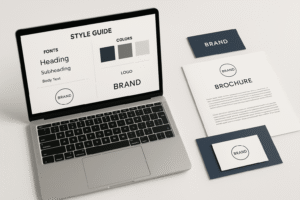
1. Build a Strong Brand Identity That Reflects Your Values
 A compelling brand starts with a clear brand identity — a combination of your visual language, voice, values, and the promise you make to customers.
For SMBs, this isn’t just design fluff. Your logo, colors, typography, and messaging should consistently reflect what your business stands for. Are you reliable? Innovative? Community-focused? Green-conscious?
At Hezemon, we help SMBs define brand identity by asking the hard questions:
– What do you want to be known for?
– What emotional connection do you want to spark?
– How should your brand look and sound in every customer interaction?
Example: A local organic grocer may embrace earthy tones, minimal fonts, and messaging around sustainability — reinforcing its core values visually and verbally.
2. Position Your Brand with a Clear Niche Focus
 You can’t be everything to everyone — and you shouldn’t try to. Winning brands own a niche and speak directly to their ideal customer.
For small businesses, niche positioning is your superpower. It allows you to craft messaging that cuts through the noise. Instead of saying “we sell software,” a sharper position would be “we help schools manage attendance and assessments with one smart platform.”
Hezemon’s Tip: Conduct a competitor audit and define your Unique Value Proposition (UVP). What makes you different? Use that to carve out a distinct brand position.
Bonus: Niche branding reduces marketing waste. You attract fewer, but more qualified leads — the kind that convert.
3. Leverage Content Marketing to Build Brand Authority
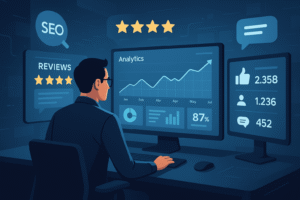
 In the digital age, content is currency — and branding gives it voice. From blog posts and social media to videos and podcasts, content helps your brand educate, inspire, and stay top-of-mind.
For SMBs, content marketing:
– Builds trust with potential buyers
– Positions your brand as a thought leader
– Increases organic reach with SEO-optimized content
At Hezemon Technologies, we create content strategies that fuse brand voice + search intent. A B2B SaaS startup might use long-form guides and LinkedIn posts to attract CIOs, while a local boutique could use Instagram reels to build emotional engagement.
4. Use Local Branding to Build Community Loyalty
 Small and medium businesses have one major advantage over faceless corporations: proximity. Use it.
Local branding means rooting your identity in the community you serve. It’s about:
– Partnering with local events
– Sharing customer stories
– Highlighting your hometown pride
This builds brand loyalty not just through quality, but connection. People don’t just buy products — they support local heroes.
Hezemon Example: For a Hyderabad-based fashion brand, we built a campaign around “Made in Hyderabad, Worn with Pride” — instantly resonating with regional identity and generating buzz.
5. Embrace Brand Storytelling That Resonates Emotionally
 People remember stories, not sales pitches. Brand storytelling is about making your business human — showing your journey, your struggles, your purpose.
An effective brand story includes:
– The “Why” behind your company
– Real customer success stories
– Founder narratives or behind-the-scenes insights
SMBs can use storytelling across platforms: About Us pages, email campaigns, social reels, and more.
At Hezemon, we help brands craft authentic narratives that connect emotionally, not just inform. Whether you’re a tech startup or a wellness brand, storytelling builds the empathy factor that drives engagement and conversions.
6. Personalize Your Customer Experience at Every Touchpoint
 Branding isn’t just external — it’s experiential. Every interaction with your customer is a chance to reinforce your brand.
From personalized emails and product recommendations to packaging and post-sales service, the goal is simple: make every customer feel seen and valued.
SMBs can outshine bigger brands with personalization and agility. You can send hand-written thank-you notes, tailor onboarding emails, or greet repeat customers by name — these small gestures build massive goodwill.
Hezemon Advantage: We help businesses automate personalization using CRM, email workflows, and analytics while keeping the human touch alive.
Conclusion: Branding is Not Optional – It’s a Growth Engine
In today’s market, having a great product or service is no longer enough. If no one knows who you are — or what you stand for — you’ll get lost in the crowd.
Branding is not a luxury. It’s your growth engine.
It builds trust, attracts the right audience, shortens sales cycles, and keeps customers coming back.
At Hezemon Technologies, we empower SMBs to discover their voice, refine their identity, and build brands that win — locally and globally.
Ready to build a brand that means business? Let’s create something unforgettable.