Author: hezemon_admin

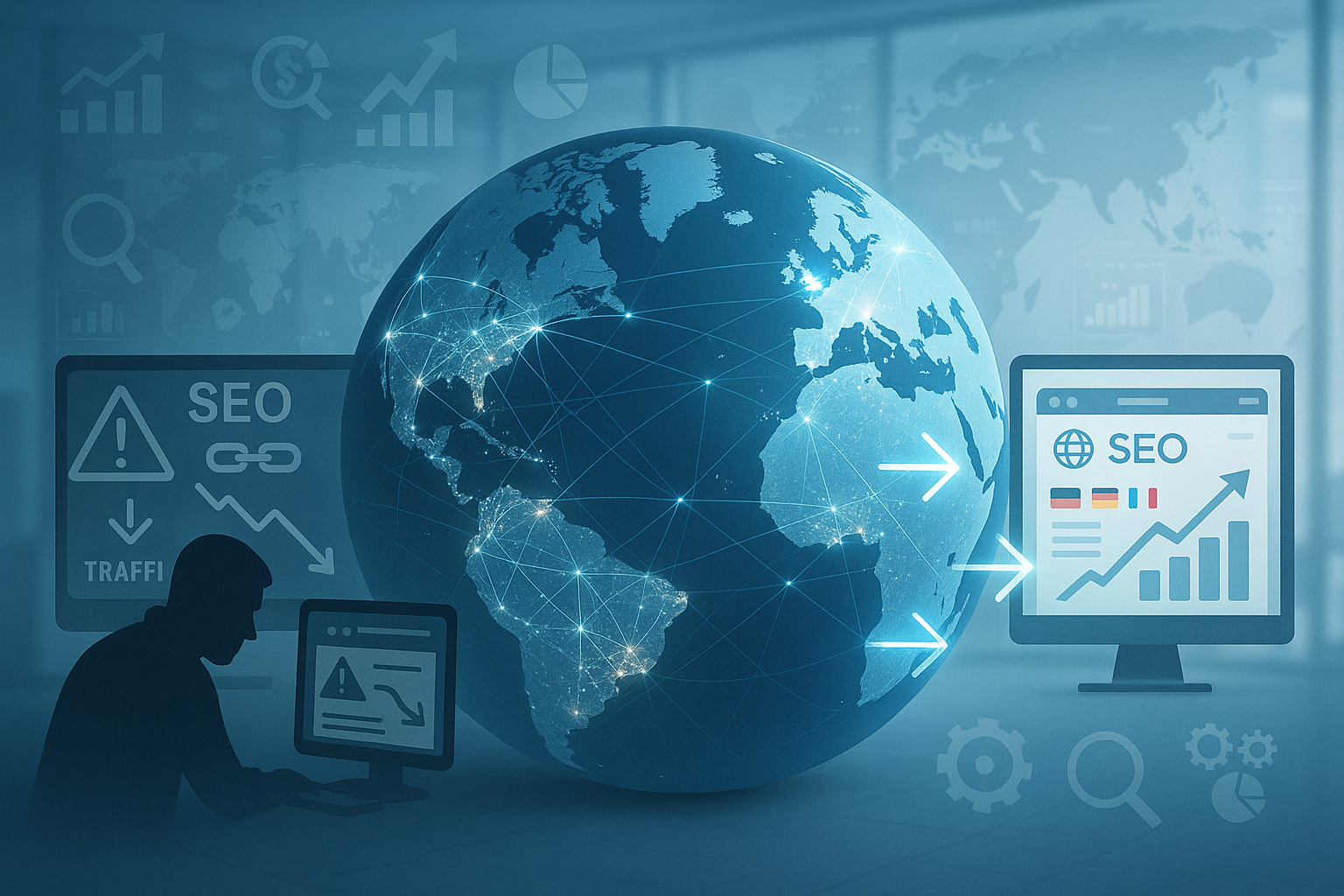
  • The Hidden Costs of Ignoring International SEO (And How to Fix Them Before You Scale Globally)

    The Hidden Costs of Ignoring International SEO (And How to Fix Them Before You Scale Globally)

    Expanding your brand to global markets sounds like a dream, right?
    But without a strong international SEO strategy, that dream can quickly turn into a digital nightmare.

    Many businesses underestimate the importance of international SEO for global expansion, treating it as an afterthought. Unfortunately, the consequences of neglecting this critical area can be both subtle and severe—resulting in lost traffic, poor conversions, and wasted marketing dollars.

    In this blog, we’ll explore the hidden costs of ignoring international SEO and offer actionable tips to fix them before you expand globally. Whether you’re a mid-sized eCommerce brand or a SaaS company entering new markets, this guide will show you why international SEO isn’t optional—it’s essential.

    Grow Business

    Why International SEO Is Important for Global Businesses

    When entering new markets, you’re not just facing language differences—you’re navigating completely different search behaviors, buyer preferences, and local algorithms. International SEO helps your website perform well across multiple countries and languages by optimizing for:

    • Region-specific content and keywords

    • Localized meta-data

    • Seamless user experience

    It also helps search engines like Google, Baidu, Yandex, or Naver understand your target audience and serve the right version of your site.

    Fail to implement it, and your content might not even reach the right users. Poor rankings and low visibility in target regions will follow—and in today’s digital-first world, that’s a price no brand can afford.

    Digital Marketing Services

    The Hidden Costs of Ignoring International SEO

    You might think: “We’ll just use the English version of our site globally—Google will handle the rest.”
    That’s a costly assumption. Here’s why:

    1. Wasted Paid Ad Budget

    Without organic visibility, you’ll depend heavily on paid ads. That’s not scalable. Higher CPCs, lower ROI, and constant budget drains are the result of ignoring organic SEO.

    2. Duplicate Content Penalties

    Using the same English content across different country pages—without hreflang or canonical tags—confuses Google. You risk duplicate content penalties that dilute your domain authority and harm rankings.

    3. Low Conversion Rates

    A German visitor who lands on your site and sees USD pricing and awkward English won’t stick around—let alone buy. Poor localization leads to poor conversion.

    4. Brand Credibility Damage

    Your brand is your promise. Misaligned translations, irrelevant images, or a broken user experience can kill trust and damage your reputation before you gain any traction.

    5. Missed Market Opportunities

    This isn’t just about lost money—it’s about lost momentum. In competitive markets, the early mover often wins. If you delay your SEO efforts, more agile competitors will claim your spot.

    Fixing International SEO Before Global Expansion

    The good news? These mistakes are completely avoidable. Here’s how to fix them before they derail your growth:

    1. Start with Market Research

    Use tools like Google Market Finder, SEMrush, or Ahrefs to identify which countries are worth targeting—and how users in those regions actually search for your product or service.

    2. Implement Hreflang Tags

    These tell search engines which language and region each page targets, preventing duplicate content confusion and ensuring users see the right localized version.

    3. Localize—Don’t Just Translate

    Don’t rely on direct translation. Instead, adapt to local culture. Use region-specific idioms, currencies, date formats, imagery, and even customer reviews to build local trust.

    4. Use the Right URL Structure

    Your domain structure impacts your international SEO. Choose from:

    • ccTLDs (example.de) for strong geo-signals

    • Subdomains (de.example.com) for clearer separation

    • Subdirectories (example.com/de) for centralized authority

    Each has pros and cons depending on your goals.

    5. Improve Site Speed in Every Region

    Slow sites kill conversions. Use Content Delivery Networks (CDNs) to ensure fast load times across different geographies—especially in regions with lower average internet speeds.

    6. Create Region-Specific Content

    Generic content won’t cut it. Tailor your blog posts, landing pages, and CTAs for each market. This boosts engagement and supports long-tail keyword targeting in local SERPs.
    Microsoft Office 365 Reseller

    Don’t Let SEO Be an Afterthought

    Your brand may be ready to go global, but if no one finds you—or worse, if they find you and leave—it means your international SEO is broken.

    The consequences of poor global SEO aren’t always immediate, but they add up over time. Visibility drops, engagement weakens, and opportunities slip away.

    If you’re serious about scaling internationally, international SEO can’t wait. Treat it as a core pillar of your growth—not a last-minute fix.

    Final Thoughts: Invest Now, Scale Smoothly Later

    Ignoring international SEO is like building a skyscraper on sand—eventually, the foundation will crack. The sooner you build a solid SEO strategy for global markets, the faster (and more efficiently) you’ll scale.

    So, stop thinking local when your vision is global. International SEO isn’t a nice-to-have—it’s the launchpad for your brand’s next phase of growth.


  • SEO Beyond Borders: A Playbook for Ranking in Multiple Countries (Without Getting Penalized)

    SEO Beyond Borders: A Playbook for Ranking in Multiple Countries (Without Getting Penalized)

    Expanding your brand beyond domestic borders is exciting—but navigating the SEO landscape across languages, regions, and search engines can be tricky. A strong international SEO strategy for multilingual websites is essential to avoid duplicate content issues, geo-targeting errors, and algorithmic penalties from search engines like Google.

    This guide outlines actionable steps on how to optimize content for multiple countries without falling into SEO traps. It also shares proven SEO tips for targeting global audiences effectively.

    1. Understand the Basics of International SEO

    Before you start optimizing your content, it’s important to grasp what international SEO is. At its core, an international SEO strategy for multilingual websites helps search engines understand which countries and languages you’re targeting.

    Key components include:

    • Geo-targeting by country or region.

    • Using correct hreflang attributes for language targeting.

    • Structuring URLs to reflect regional intent.

    • Avoiding duplicate content across country-specific pages.

    Knowing how to optimize content for multiple countries begins with mastering these basics.

    Grow Business

    2. Choose the Right URL Structure

    Your domain structure greatly affects your international SEO success. Google supports several international-friendly URL formats:

    • ccTLDs (example.ca) – Ideal for building trust with local audiences.

    • Subdomains (ca.example.com) – Helpful for separating content by region.

    • Subdirectories (example.com/ca/) – Cost-effective and easier to manage.

    For a sustainable international SEO strategy for multilingual websites, subdirectories are often recommended. However, ccTLDs work best when you want to establish a strong local identity.

    3. Implement Hreflang Tags Correctly

    Hreflang tags are crucial in telling Google which version of your page should appear for users in different regions or languages. For example, German users in Germany and Austria may both speak German, but their localized content needs can differ.

    When it comes to how to optimize content for multiple countries, hreflang implementation is critical. If not configured properly, users may land on the wrong language or region-specific page—hurting user experience and increasing bounce rates.

    SEO tips for targeting global audiences always start with technical accuracy, and hreflang is at the top of that list.

    Digital Marketing Services

    4. Localize (Don’t Just Translate) Your Content

    Translation alone isn’t enough. An international SEO strategy for multilingual websites must involve localization—adapting your content to suit local cultures, dialects, pricing formats, and even humor.

    For example, use “trainers” instead of “sneakers” when targeting the UK instead of the US. A localized CTA in Spanish should reflect cultural nuances to drive engagement.

    This is key when learning how to optimize content for multiple countries—Google prioritizes content that’s truly relevant to its audience.

    5. Do Country-Specific Keyword Research

    Keyword performance varies by region. One of the most common mistakes is assuming that English keywords will perform similarly in translated versions.

    To get it right:

    • Use tools like SEMrush, Ahrefs, or Google Keyword Planner to analyze local trends.

    • Research how native users actually search.

    • Study local competitors’ SEO strategies.

    SEO tips for targeting global audiences must include localized keyword research. Don’t overlook language-specific variations—even in countries that speak the same language.

    6. Create Unique Content for Each Country

    Duplicating content across different country pages can trigger penalties from Google. To avoid this:

    • Customize intros, CTAs, pricing, and testimonials.

    • Include region-specific holidays, case studies, or seasonal promotions.

    • Link to local news outlets, publications, or authority sites.

    This reinforces your international SEO strategy for multilingual websites and signals authenticity to both users and search engines.

    7. Don’t Ignore Local Search Engines

    While Google is dominant globally, it’s not the only player:

    • Yandex in Russia

    • Baidu in China

    • Naver in South Korea

    Understanding how to optimize content for multiple countries includes optimizing for regional search engines with their own rules and ranking algorithms.

    Microsoft Office 365 Reseller

    8. Track Your International SEO Performance

    Tracking is crucial to know what’s working and what’s not:

    • Use Google Search Console’s international targeting features.

    • Analyze traffic by country, language, and landing page.

    • Set conversion goals tied to country-specific actions.

    These tools help fine-tune your international SEO strategy for multilingual websites and guide data-backed decisions.

    9. Avoid These Common International SEO Mistakes

    Even seasoned marketers fall into these traps:

    • Skipping hreflang tags or using them incorrectly.

    • Ignoring mobile optimization across different countries.

    • Failing to localize not just content, but also images, UI, and payment options.

    • Auto-redirecting users by IP, which can clash with browser language preferences.

    Avoiding these issues is vital for applying SEO tips for targeting global audiences without compromising rankings or UX.

    Final Thoughts

    Winning at international SEO strategy for multilingual websites is not just about going global—it’s about being local at scale. With the right technical setup, localization, and content strategy, your website can thrive across borders.

    By following these steps for how to optimize content for multiple countries, you ensure your brand delivers relevant, region-specific value—while complying with search engine best practices.

    Use these SEO tips for targeting global audiences as your blueprint to expand smartly, rank globally, and convert locally.

  • The Facebook Ad Funnel Blueprint: Turning Cold Audiences into Lifelong Buyers in 3 Clicks

    The Facebook Ad Funnel Blueprint: Turning Cold Audiences into Lifelong Buyers in 3 Clicks

    In the fast-paced world of digital marketing, grabbing attention is only the first step. The real success lies in guiding cold traffic—users who have never interacted with your brand—through a journey that turns them into loyal, paying customers.

    With the right Facebook funnel strategy for cold traffic, you can build trust, nurture leads, and drive high-value conversions—all with just three well-structured clicks.

    Welcome to your ultimate Facebook Ad Funnel Blueprint—a proven, scalable framework for building a Facebook ad funnel that converts, even if you’re starting from zero.

    Grow Business

    Stage 1: Capture Attention — Awareness Ads (Click 1)

    Goal: Introduce your brand to cold audiences
    Ad Types: Video ads, carousel ads, or eye-catching single-image posts
    Targeting: Interest-based audiences, broad targeting, or lookalike audiences

    Many marketers make the critical mistake of pitching a product too early. But cold traffic doesn’t convert immediately—they scroll. That’s why the first stage of your Facebook funnel strategy for cold traffic should focus entirely on storytelling, not selling.

    Build brand awareness with short, engaging videos or graphics. Educate your audience, share your mission, or showcase a relatable problem your product solves.

    Pro Tip: Use 15-second videos with captions. Most viewers watch on mute.

    Keyword Integration:

    • Your goal here isn’t conversions—it’s engagement. That’s how you lay the groundwork for a Facebook ad funnel that converts.

    • A successful Facebook funnel strategy for cold traffic starts by sparking curiosity—not pushing a sale.

    Stage 2: Retarget Warm Leads — Consideration Ads (Click 2)

    Goal: Build credibility and nurture trust
    Ad Types: Product demos, testimonials, blog content, downloadable lead magnets
    Targeting: People who interacted with your first ad (e.g., video viewers, link clickers)

    Now that you’ve captured attention, it’s time to nurture those leads with value-driven retargeting. A winning Facebook retargeting strategy for lead nurturing provides solutions to real problems.

    Effective retargeting content includes:

    • Case studies

    • Free eBooks

    • How-to guides

    • Mini-courses or 7-day challenges

    At this point, your traffic is warm—they’re interested but not quite ready to buy.

    Use Facebook’s Engagement Custom Audiences to retarget users based on actions they’ve taken, like watching your video or visiting your landing page.

    Keyword Integration:

    • This step is essential for creating a Facebook ad funnel that converts.

    • Without a strong Facebook retargeting strategy for lead nurturing, potential buyers will drop off before reaching the decision stage.Digital Marketing Services

    Stage 3: Drive Conversions — Decision Ads (Click 3)

    Goal: Turn warm leads into paying customers
    Ad Types: Product-centric ads, testimonials, bundles, urgency-driven offers
    Targeting: High-intent users (e.g., visited your landing page, added to cart, watched 75% of your video)

    This is the moment of truth.

    You’ve earned their trust. Now guide them to take action with conversion-focused ads that highlight:

    • Time-sensitive offers

    • Limited stock availability

    • Unique product benefits

    • Strong social proof

    Use Facebook’s Dynamic Product Ads or direct CTAs like “Shop Now,” “Book a Demo,” or “Start Free Trial.”

    Pro Tip: A/B test your headlines and creatives. Add urgency with phrases like “Only 3 left” or “Offer ends tonight.”

    Keyword Integration:

    • This is the foundation of your Facebook funnel strategy for cold traffic.

    • When done right, it’s exactly how you build a Facebook ad funnel that converts reliably and profitably.

    Bonus: Post-Purchase Retargeting & Loyalty Building

    The funnel doesn’t end after the first sale.

    A smart Facebook retargeting strategy for lead nurturing continues after conversion—deepening brand loyalty and increasing customer lifetime value.

    Post-purchase retargeting ideas:

    • Upsell or cross-sell related products

    • Invite for referrals or loyalty programs

    • Offer satisfaction surveys or exclusive upgrades

    Keyword Integration:

    • An advanced Facebook funnel strategy for cold traffic goes beyond the first sale.

    • Ongoing retargeting is essential for long-term lead nurturing and customer retention.

    Tracking & Optimization Tips

    To maintain a Facebook ad funnel that converts, continuously monitor performance metrics:

    • Click-through rate (CTR)

    • Cost per lead (CPL)

    • Return on ad spend (ROAS)

    • Funnel drop-off rates

    Use tools like:

    • Facebook Ads Manager for campaign metrics

    • Google Analytics for tracking behavior

    • Hotjar for understanding drop-offs through heatmaps

    Keep updating your creatives and refining your audience based on behavioral insights. This will ensure your Facebook funnel strategy for cold traffic stays optimized for conversions.

    Microsoft Office 365 Reseller

    Final Thoughts

    In just three clicks, you can guide a stranger to become a loyal customer:

    1. Capture attention with scroll-stopping awareness ads

    2. Nurture trust with value-packed retargeting

    3. Convert interest into action with strong decision-stage offers

    The real power of a Facebook ad funnel that converts lies in timing, value, and consistency—not gimmicks or aggressive sales tactics.

    With the right Facebook funnel strategy for cold traffic, backed by a thoughtful Facebook retargeting strategy for lead nurturing, your ads won’t feel like interruptions—they’ll feel like opportunities.

    Ready to Build a Funnel That Actually Converts?

    Hezemon Technologies, Hyderabad specializes in performance-driven Facebook ad funnels. Let’s turn your cold traffic into loyal buyers.

    Get in touch today.

  • Why Your Facebook Ads Aren’t Converting (And What Global Marketers Do Differently)

    Why Your Facebook Ads Aren’t Converting (And What Global Marketers Do Differently)

    Running Facebook ads can often feel like throwing darts in the dark—sometimes they hit, but more often, they miss. If your campaigns look professional but still aren’t turning viewers into buyers, you’re not alone. Let’s explore the reasons why Facebook ads fail to convert and how global marketers consistently get better results.

    1. You’re Targeting the Wrong Audience

    One of the top reasons why Facebook ads fail to convert is poor audience targeting. While Facebook offers advanced targeting options—demographics, interests, behaviors, and custom audiences—many advertisers cast too wide a net or skip audience testing entirely.

    Global marketers understand that refined segmentation is essential. They create lookalike audiences, leverage retargeting, and constantly A/B test different audience profiles to boost relevance and results.

    Facebook advertising tip for higher ROI:
    Use custom audiences from website visitors or email subscribers, and build lookalike audiences to scale your conversions more effectively.

    Grow Business

    2. Your Creative Isn’t Scroll-Stopping

    In a sea of content, you have just a few seconds to capture attention. A common Facebook ad mistake to avoid is relying on generic stock images, low-quality visuals, or bland copy.

    High-performing marketers focus on native-looking visuals and localized messaging. They use platform-specific formats like video ads, carousels, and UGC (user-generated content) to create high engagement.

    Facebook advertising tip for higher ROI:
    Use short, thumb-stopping videos with strong hooks in the first 3 seconds. Test multiple copy angles to find the one that connects emotionally with your audience.

    3. Weak or Missing Call-To-Action (CTA)

    Another common reason why Facebook ads fail to convert is a weak or unclear CTA. If you don’t clearly tell users what to do next, they won’t act. “Learn More” is often too vague to be effective.

    Top marketers use direct, action-driven CTAs like “Shop Now,” “Claim 50% Off,” or “Download the Guide,” which lead to significantly higher conversions.

    Facebook advertising tip for higher ROI:
    Align your CTA with your sales funnel stage. Use softer CTAs like “Learn More” for cold leads and stronger ones like “Buy Now” or “Get the Offer” for warmer audiences.

    Digital Marketing Services

    4. Poor Landing Page Experience

    Even if your ad is excellent, sending traffic to a poorly designed or slow-loading landing page will kill conversions. A common Facebook ad mistake to avoid is not optimizing the post-click experience.

    Global marketers ensure their landing pages are mobile-friendly, fast, and aligned with the ad’s messaging and visuals. This consistency builds trust and reduces bounce rates.

    Facebook advertising tip for higher ROI:
    Use dynamic landing pages that match the ad headline and visuals. Add trust elements like reviews, badges, or testimonials to improve credibility.

    5. Lack of Testing and Optimization

    One of the easiest reasons why Facebook ads fail to convert is simply not testing enough. Too many businesses run a single version of an ad and hope for results.

    Global advertisers treat Facebook campaigns as experiments. They test variations of images, copy, headlines, CTAs, and even delivery times to identify what actually works.

    Facebook advertising tip for higher ROI:
    Always test at least 3–5 ad variations per campaign. Use Facebook’s built-in A/B testing tools to make data-driven decisions.

    Microsoft Office 365 Reseller

    6. Poor Offer Positioning

    Even great ads won’t convert if the offer isn’t compelling. A common Facebook ad mistake to avoid is promoting an aggressive sales message to a cold audience.

    Savvy marketers understand the buyer journey. They build value-first funnels using educational content, lead magnets, or free trials before pushing for a purchase.

    Facebook advertising tip for higher ROI:
    Segment your funnel into TOFU (top of funnel) and BOFU (bottom of funnel) stages. Use TOFU ads for awareness and nurture warm leads with stronger offers at the BOFU stage.

    7. Ignoring Analytics and Attribution

    You can’t fix what you can’t measure. A major reason why Facebook ads fail to convert is ignoring key performance metrics like ROAS (return on ad spend), CPA (cost per acquisition), or ad frequency.

    Global marketers rely on tools like Meta Pixel, Google Analytics, and UTM parameters to gain full-funnel visibility and optimize for real business outcomes—not vanity metrics.

    Facebook advertising tip for higher ROI:
    Track CPA, ROAS, and conversion rates, not just likes or clicks. These are the metrics that matter when it comes to business growth.

    Conclusion: Learn from the Pros, Fix the Basics

    If your Facebook ads aren’t delivering the results you hoped for, take heart—you’re not alone. The platform is powerful, but also easy to misuse. By recognizing the common Facebook ad mistakes to avoid and understanding the real reasons why Facebook ads fail to convert, you can significantly improve your campaigns.

    What sets global marketers apart isn’t a massive budget—it’s a smarter, more strategic approach. They test relentlessly, prioritize audience relevance, and focus on every step of the funnel—from the ad creative to the landing page and beyond.

    The next time you launch a campaign, revisit this checklist. Apply these Facebook advertising tips for higher ROI, measure what matters, and never stop optimizing.

  • How Branding Empowers Small and Medium Companies to Get Business in Today’s Competitive Market

    How Branding Empowers Small and Medium Companies to Get Business in Today’s Competitive Market

    In today’s hyper-competitive market, small and medium-sized businesses (SMBs) face a daunting challenge — standing out in a sea of competitors, especially against larger, resource-rich enterprises. But there’s one powerful equalizer that levels the playing field: branding.

    At Hezemon Technologies, we’ve seen firsthand how strategic branding transforms local players into industry leaders. Whether you’re a startup, family-run business, or mid-sized enterprise, branding is not just about a logo — it’s about building trust, loyalty, and long-term growth.

    Let’s explore how branding empowers SMBs to thrive with smart, practical strategies.

    1. Build a Strong Brand Identity That Reflects Your Values

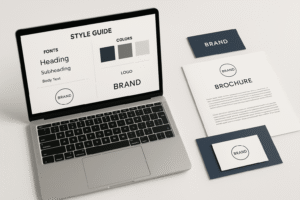
    A compelling brand starts with a clear brand identity — a combination of your visual language, voice, values, and the promise you make to customers.

    For SMBs, this isn’t just design fluff. Your logo, colors, typography, and messaging should consistently reflect what your business stands for. Are you reliable? Innovative? Community-focused? Green-conscious?

    At Hezemon, we help SMBs define brand identity by asking the hard questions:
    – What do you want to be known for?
    – What emotional connection do you want to spark?
    – How should your brand look and sound in every customer interaction?

    Example: A local organic grocer may embrace earthy tones, minimal fonts, and messaging around sustainability — reinforcing its core values visually and verbally.

    2. Position Your Brand with a Clear Niche Focus

    You can’t be everything to everyone — and you shouldn’t try to. Winning brands own a niche and speak directly to their ideal customer.
    For small businesses, niche positioning is your superpower. It allows you to craft messaging that cuts through the noise. Instead of saying “we sell software,” a sharper position would be “we help schools manage attendance and assessments with one smart platform.”

    Hezemon’s Tip: Conduct a competitor audit and define your Unique Value Proposition (UVP). What makes you different? Use that to carve out a distinct brand position.

    Bonus: Niche branding reduces marketing waste. You attract fewer, but more qualified leads — the kind that convert.

    3. Leverage Content Marketing to Build Brand Authority

    In the digital age, content is currency — and branding gives it voice. From blog posts and social media to videos and podcasts, content helps your brand educate, inspire, and stay top-of-mind.

    For SMBs, content marketing:
    – Builds trust with potential buyers
    – Positions your brand as a thought leader
    – Increases organic reach with SEO-optimized content

    At Hezemon Technologies, we create content strategies that fuse brand voice + search intent. A B2B SaaS startup might use long-form guides and LinkedIn posts to attract CIOs, while a local boutique could use Instagram reels to build emotional engagement.

    4. Use Local Branding to Build Community Loyalty

    Small and medium businesses have one major advantage over faceless corporations: proximity. Use it.

    Local branding means rooting your identity in the community you serve. It’s about:
    – Partnering with local events
    – Sharing customer stories
    – Highlighting your hometown pride

    This builds brand loyalty not just through quality, but connection. People don’t just buy products — they support local heroes.

    Hezemon Example: For a Hyderabad-based fashion brand, we built a campaign around “Made in Hyderabad, Worn with Pride” — instantly resonating with regional identity and generating buzz.

    5. Embrace Brand Storytelling That Resonates Emotionally

    People remember stories, not sales pitches. Brand storytelling is about making your business human — showing your journey, your struggles, your purpose.
    An effective brand story includes:
    – The “Why” behind your company
    – Real customer success stories
    – Founder narratives or behind-the-scenes insights

    SMBs can use storytelling across platforms: About Us pages, email campaigns, social reels, and more.

    At Hezemon, we help brands craft authentic narratives that connect emotionally, not just inform. Whether you’re a tech startup or a wellness brand, storytelling builds the empathy factor that drives engagement and conversions.

    6. Personalize Your Customer Experience at Every Touchpoint

    Branding isn’t just external — it’s experiential. Every interaction with your customer is a chance to reinforce your brand.



    From personalized emails and product recommendations to packaging and post-sales service, the goal is simple: make every customer feel seen and valued.

    SMBs can outshine bigger brands with personalization and agility. You can send hand-written thank-you notes, tailor onboarding emails, or greet repeat customers by name — these small gestures build massive goodwill.

    Hezemon Advantage: We help businesses automate personalization using CRM, email workflows, and analytics while keeping the human touch alive.

    Conclusion: Branding is Not Optional – It’s a Growth Engine

    In today’s market, having a great product or service is no longer enough. If no one knows who you are — or what you stand for — you’ll get lost in the crowd.

    Branding is not a luxury. It’s your growth engine.
    It builds trust, attracts the right audience, shortens sales cycles, and keeps customers coming back.

    At Hezemon Technologies, we empower SMBs to discover their voice, refine their identity, and build brands that win — locally and globally.

    Ready to build a brand that means business? Let’s create something unforgettable.

  • From Scroll to Stuck: 7 Psychology-Backed Tricks to Make Viewers Watch Your Videos Till the End

    From Scroll to Stuck: 7 Psychology-Backed Tricks to Make Viewers Watch Your Videos Till the End

    If you’re tired of your audience dropping off halfway through your videos, you’re not alone. In a world filled with endless scrolling and shrinking attention spans, creators and marketers are constantly asking: how to increase video retention on YouTube?

    The answer lies not just in flashy editing — but in psychology.

    Below are 7 psychology-backed tricks that transform casual viewers into committed watchers — and keep them hooked until the very end.

    Grow Business

    1. Use Open Loops in the First 10 Seconds

    Ever wondered why cliffhangers work so well in TV shows? That’s the open loop effect — a psychological tactic that leaves viewers hanging and craving closure.

    In video terms, this means teasing a mystery, surprise, or question at the very beginning. Try lines like:

    • “You won’t believe what happened next…”

    • “At the end, I’ll reveal something that changed everything…”

    These phrases tap into the brain’s natural urge to resolve tension — one of the most powerful psychology tips for creating viral videos.

    2. Chunk Information with Visual Cues

    Humans process and retain information better when it’s delivered in small, structured pieces — or chunks.

    Use:

    • Numbered lists

    • Bold headings

    • Icons or animations

    For example, instead of a 5-minute ramble on marketing trends, break it down into “3 killer trends for 2025,” and label each clearly.

    This is one of the most effective yet underrated video content strategies to boost engagement, especially for tutorials and explainers.

    Digital Marketing Services

    3. Show Faces and Maintain Eye Contact Early

    The human brain is hardwired to respond to faces — especially eye contact. To understand how to increase video retention on YouTube, you must build connection.

    Talk directly to the camera with emotion, facial expression, and eye contact. Even AI-generated avatars that simulate eye contact outperform faceless narrations.

    4. Leverage the Zeigarnik Effect

    The Zeigarnik Effect says people remember unfinished tasks better than completed ones. In your video, present a goal or promise that won’t be fulfilled until the end.

    Example:
    “I’ll show you 3 editing hacks, and the last one will save you hours in post-production.”

    This is a classic psychology tip for creating viral videos — and it works like magic.

    5. Use Fast Cuts and Pattern Interrupts

    When viewers expect something predictable, their attention drops. Break the pattern.

    Inject energy by adding:

    • Quick camera cuts

    • Zooms and pans

    • Animated text pop-ups

    • Humor, memes, or sound effects

    These are powerful video content strategies to boost engagement by keeping the brain stimulated.

    Microsoft Office 365 Reseller

    6. Add Progress Indicators and Verbal Teasers

    Another tactic for how to increase video retention on YouTube is to signal progress and tease what’s coming next.

    Try:

    • Visual progress bars

    • Statements like:

      • “We’re halfway there, now it gets interesting…”

      • “Coming up next: the one trick nobody tells you.”

    Humans love to know where they are in a process — it’s motivating.

    7. End with Emotional Resonance

    People may forget what you said, but they’ll remember how your video made them feel. End on a powerful emotional note — shock, inspiration, laughter, or empathy.

    Why? Emotional content is:

    • More memorable

    • More shareable

    • More likely to boost YouTube session time

    And remember — emotion is at the heart of all psychology tips for creating viral videos.

    Bonus Tip: Use Data to Refine What Works

    Once you’ve implemented these tactics, head to your YouTube Analytics to improve even further.

    Check:

    • Audience Retention Graph

    • Drop-off points

    • Top-performing intros

    • A/B test titles and hooks

    Even the smartest video content strategies to boost engagement need regular tweaking. Psychology gives you the tools, but the data tells you the truth.

    Final Thoughts

    Mastering how to increase video retention on YouTube is less about tricks — and more about understanding your viewer’s mind.

    By combining structured visuals with proven psychology tips for creating viral videos, you’re not just capturing attention — you’re holding it.

    So, the next time someone presses play on your content, don’t just entertain them… engage them till the very end.

  • How to Future-Proof Your Business Website with Scalable Code and Smart Architecture

    How to Future-Proof Your Business Website with Scalable Code and Smart Architecture

    In 2025, building a website isn’t just about getting online — it’s about long-term success. Many businesses in India and around the world now realize that without future-proof website development strategies, even a great-looking site can quickly become a liability.

    Scalability, clean code, and smart architecture have become essential for brands looking to grow. Whether you’re a startup or scaling an enterprise, this guide will help you build a website that stands the test of time — in both performance and adaptability.

    Grow Business

    Why Future-Proofing Matters for Business Websites

    A future-ready website is more than just fast or functional. It’s designed to evolve. Future-proof website development strategies allow your site to adapt to new technologies, changing user expectations, and growing security needs.

    With rapid advances in devices, browsers, and user behavior, relying on outdated frameworks or hardcoded solutions can hold back your digital growth. Poor scalability, slow loading speeds, and lack of updates can drive customers away — and hurt your search engine visibility.

    The benefits of future-proofing include:

    • Faster website performance and improved load times

    • Easier integration with emerging tools and platforms

    • Lower long-term maintenance costs

    • Stronger security and compliance readiness

    Simply put, a scalable and sustainable approach ensures your site’s digital longevity.

    Digital Marketing Services

    Key Principles of Scalable Website Architecture

    When building a scalable website architecture for enterprise growth, flexibility is key. Your website should run smoothly whether you have 1,000 or 100,000 visitors.

    Core elements of scalable architecture:

    • Modular Design: Break your site into reusable components. This makes it easier to update and maintain.

    • Load Balancing: Use cloud platforms like AWS or Azure to distribute traffic and avoid slowdowns.

    • Decoupled Architecture: Consider a JAMstack or headless CMS, which separates backend and frontend. This gives more speed and control.

    With the right architecture, you can scale your site both horizontally and vertically — handling more users and expanding functionality with ease.

    Best Coding Practices for Long-Term Website Health

    Even the best-designed website can suffer from poor coding. That’s why it’s crucial to follow the best coding practices for long-term website health. Clean, documented, and reusable code ensures your site stays secure, fast, and easy to maintain.

    Best practices include:

    • Using version control tools like Git

    • Writing clear comments for easier collaboration

    • Choosing widely-supported frameworks and libraries

    • Avoiding hardcoded values — use config files instead

    • Regularly auditing and refactoring code to reduce technical debt

    These practices reduce bugs, improve performance, and make future updates much easier — especially for large or growing teams.

    Microsoft Office 365 Reseller

    Choosing the Right Tech Stack for Future Scalability

    Your tech stack forms the core of your website’s performance and scalability. To ensure scalable website architecture for enterprise growth, choose tools that support long-term flexibility.

    Recommended tools and frameworks:

    • Frontend: React, Next.js, or Vue.js for modern, responsive interfaces

    • Backend: Node.js, Python (Django), or .NET for strong performance

    • CMS: Headless CMS platforms like Strapi, Contentful, or Sanity

    • Infrastructure: Docker containers, CDNs, and CI/CD pipelines for seamless deployment

    Add to this solid SEO foundations (structured data, mobile-first design) and up-to-date security (HTTPS, CSP headers), and you’re set for a future-ready website.

    Case Study: Enterprise Growth with Scalable Code

    A mid-sized IT services company in Hyderabad scaled their traffic from 10,000 to 200,000 monthly visitors in under a year. Here’s how:

    • Migrated from WordPress to a headless CMS (Strapi)

    • Rebuilt the frontend using a modular React architecture

    • Switched to cloud hosting with auto-scaling

    • Followed best coding practices like linting, Git-based workflows, and API-first development

    The outcome? Faster load times, reduced bounce rates, smoother development, and a significant boost in Google rankings and lead conversions.

    Final Thoughts

    Your website is more than just a digital brochure — it’s the core of your marketing, sales, and branding efforts. By investing in future-proof website development strategies, you ensure your site grows with your business, adapts to new demands, and stays competitive.

    Implementing scalable website architecture for enterprise growth and following the best coding practices for long-term website health helps you build more than a website — you build a powerful, future-ready digital platform.

    If your current site feels like a roadblock instead of a growth engine, it’s time to rethink, rebuild, and future-proof.

  • Using Paid Ads to Boost Enrollments for Schools & Colleges

    Using Paid Ads to Boost Enrollments for Schools & Colleges

    In today’s digital-first world, parents and students no longer rely on word-of-mouth or print ads to choose a school or college. They turn to Google, Facebook, and Instagram. That’s why having a well-structured Google Ads strategy for student enrollments and targeted Facebook lead forms for admissions is transforming how educational institutions grow.

    With the right paid campaigns for education sector growth, schools and colleges can reach the right audience at the right time — and turn interest into actual applications.

    Why Paid Ads Are Essential for Admissions Today

    Traditional marketing methods — banners, newspaper classifieds, and education fairs — are losing impact. Paid ads, by contrast, offer:

    • Precision targeting (age, location, income, interests)

    • Real-time performance tracking

    • Direct engagement via lead forms and messaging

    This makes digital outreach for academic institutions not just an option — but a necessity.

    1. Google Ads Strategy for Student Enrollments

    A strong Google Ads strategy for student enrollments starts by aligning with search intent. When someone searches “best CBSE school near me” or “top MBA colleges with placement,” they’re ready to take action.

    Key elements:

    • Search Ads: Target intent-driven keywords like “nursery admissions 2025” or “PGDM course in Hyderabad”

    • Display Ads: Use eye-catching banners to build brand awareness

    • YouTube Ads: Promote virtual campus tours, placement highlights, or student success stories

    Use geo-targeting and device targeting to maximize ROI — especially during peak admission seasons.

    Google Ads seamlessly supports every stage of the student marketing funnel — from awareness to action.

    2. Facebook Lead Forms for Admissions

    Facebook lead forms for admissions are highly effective because they let users sign up directly within Facebook or Instagram — with no redirects.

    Best practices:

    • Keep it short: Ask for just Name, Phone, Grade/Program

    • Offer value: Free brochure, counseling call, or campus invite

    • Follow up fast: Use WhatsApp or call to connect instantly

    This low-friction format makes Facebook lead forms one of the top-performing education sector PPC tools.

    3. Paid Campaigns for Education Sector Growth

    Whether you’re a school promoting pre-K admissions or a college pushing MBA seats, your paid campaigns for education sector growth must be data-driven and proactive.

    Key tips:

    • Start Early: Launch ads 3–4 months before admissions close

    • Run A/B Tests: Test creatives, headlines, and calls-to-action

    • Use Remarketing: Stay visible to those who showed interest but didn’t convert

    These tactics build a strong online admission campaign setup that scales efficiently.

    4. Funnel-Based Targeting: Map Every Step

    Here’s how to structure your student marketing funnel:

    1. Awareness: YouTube ads, Instagram Reels, or blog content

    2. Interest: Google Display Ads or carousel posts with course features

    3. Decision: Share student testimonials or success metrics

    4. Action: Retargeting ads and instant lead forms for final push

    Each stage needs the right message and platform. Use Facebook Ads Manager and Google Campaign Manager to track and optimize each layer.

    5. Use Analytics to Optimize Performance

    With digital ads, guesswork is eliminated. You can clearly track:

    • Which ad generated the most leads

    • Which demographics are clicking

    • What time of day brings the highest conversions

    Use platforms like:

    • Google Ads Dashboard

    • Meta Ads Manager

    • Google Analytics

    • CRM tools (Zoho, LeadSquared, etc.)

    This data-driven loop strengthens your entire online admission campaign setup.

    Real-World Case Study: College Enrollment Boost

    A private engineering college in South India ran a 90-day campaign combining Google search ads, Facebook lead forms, and remarketing.

    Results:

    • 22,000+ website visitors

    • 3,800 qualified leads

    • 560 filled applications

    Video testimonials, strong CTAs like “Apply Now,” and real-time nurturing made the campaign a major success — proving the value of digital outreach for academic institutions.

    6. Bonus Tip: Retarget with Purpose

    Most people don’t convert on their first visit. Retargeting ads help you stay top-of-mind:

    • “Still looking for the right school? Book a campus tour today.”

    • “Admissions closing soon. Apply now and reserve your seat.”

    Pair these with follow-up emails and WhatsApp outreach to turn leads into enrollments.

    Final Thoughts

    A well-planned Google Ads strategy for student enrollments, paired with Facebook lead forms for admissions, is no longer a luxury — it’s a must-have.

    With increasing competition and shorter attention spans, institutions need to be where parents and students are: online, engaged, and ready to act.

    By embracing smart paid campaigns for education sector growth, your school or college can boost applications, build trust, and stay ahead — all while delivering the digital experience your audience expects.

  • Digital Marketing Is Revolutionizing Patient Acquisition for Clinics & Hospitals

    Digital Marketing Is Revolutionizing Patient Acquisition for Clinics & Hospitals

    In today’s hyper-connected world, digital marketing strategies for hospitals in India have become mission-critical. From solo practitioners to multi-specialty hospitals, the race is on to build a healthcare digital presence that drives visibility, trust, and — most importantly — patient bookings.

    More than ever, clinics are focused on increasing patient footfall through online marketing, using tools like SEO, PPC, and content funnels that move users from clicks to consultations. Whether you’re a local dental clinic or a major urban hospital, digital marketing isn’t just a support function — it’s now your frontline tool for doctor appointment lead generation.

    Grow Business

    The Rise of Digital-First Patients

    A decade ago, people walked into hospitals without a second thought. Today, they Google everything:

    • “Best ENT hospital in Hyderabad”
    • “Child specialist with good reviews near me”
    • “Cardiologist consultation fees online”

    This behavioral shift has made digital marketing strategies for hospitals in India more relevant than ever. Patients are no longer influenced by billboards — they’re influenced by search results, online reviews, and responsive websites.

    Why Clinics Can’t Ignore Digital Marketing

    Traditional marketing — like newspaper classifieds or roadside hoardings — is expensive and vague. You can’t measure engagement. You can’t follow up.

    Increasing patient footfall through online marketing, however, is measurable, trackable, and personalized. With the right tools, hospitals can:

    • Build a patient acquisition funnel tailored to each specialty
    • Optimize cost-per-acquisition using SEO and PPC for healthcare professionals
    • Increase conversions with remarketing and lead nurturing
    Digital Marketing Strategies for Hospitals in India

    Let’s dive into what’s working in 2025 — and why.

    Azure Business Continuity with Site Recovery

    1. SEO and Local Search Optimization

    For hospitals, SEO and PPC for healthcare professionals is about targeting the right intent. People aren’t just looking for “hospitals” — they’re searching “diabetologist near me with ratings” or “MRI scan center open on Sunday”.

    Key tactics:

    • Optimize your website with specialty-focused and geo-specific keywords
    • Create FAQ schema for better search visibility
    • Maintain a consistent online visibility for clinics through Google Business Profile

    This approach builds long-term equity and a healthcare digital presence that ranks.

    1. Pay-Per-Click (PPC) Campaigns

    While SEO takes time, PPC ads give instant visibility. Want to promote a vaccination camp or a new diagnostic service? Google Ads and Meta Ads can help.

    By investing in SEO and PPC for healthcare professionals, clinics are targeting ready-to-convert patients and controlling where and when their ads appear — right down to time slots and zip codes.

    Use:

    • Search Ads for high-intent queries like “book gynecologist today”
    • Display Ads for awareness campaigns
    • YouTube Ads for specialist introductions or patient testimonials
    1. Content Marketing: Educate Before You Convert

    Patients trust hospitals that educate. Blogs, explainer videos, and treatment guides build authority — and more importantly, trust.

    Topics that work:

    • “Difference between viral fever and dengue symptoms”
    • “What to expect during a root canal”
    • “When to consult a pediatrician — signs you shouldn’t ignore”

    This kind of content naturally boosts online visibility for clinics, fuels SEO, and drives lead nurturing across platforms.

    Digital Marketing Services

    1. Reputation Management & Patient Reviews

    Trust is everything in healthcare. Patients want to see:

    • Google Reviews
    • Practo ratings
    • Testimonials on your homepage

    Encouraging post-visit feedback is essential for clinics serious about increasing patient footfall through online marketing. Automated review requests, timely responses, and active monitoring help manage your healthcare digital presence effectively.

    1. Remarketing & Lead Nurturing

    Many patients browse, leave, and forget — until you remind them. Retargeting ads and email workflows can guide them back.

    Examples:

    • Email: “Still deciding on your dermatology consultation? Slots open this week.”
    • Ad: “Trusted pediatricians available near you — Book Now.”

    That’s doctor appointment lead generation in motion — not just once, but continuously through remarketing funnels.

    Microsoft Office 365 Reseller

    Indian Clinics Seeing Real Results

    A chain of fertility clinics in Delhi used a blend of content SEO and Facebook Ads to double patient inquiries in just 60 days. By targeting “IVF treatment centers” with high-ranking blog content and custom PPC campaigns, they built a scalable patient acquisition funnel.

    Similarly, a hospital in Bangalore used location-based SEO and review management to rise from page 3 to the top 5 search results — leading to a 35% increase in OPD appointments.

    Final Thoughts

    Digital marketing strategies for hospitals in India are not just about ads — they’re about access. It’s about helping patients find the right care, at the right time, with trust and convenience. From increasing patient footfall through online marketing to running efficient SEO and PPC for healthcare professionals, digital is the new healthcare front desk.

    Invest now — or risk being invisible tomorrow.